
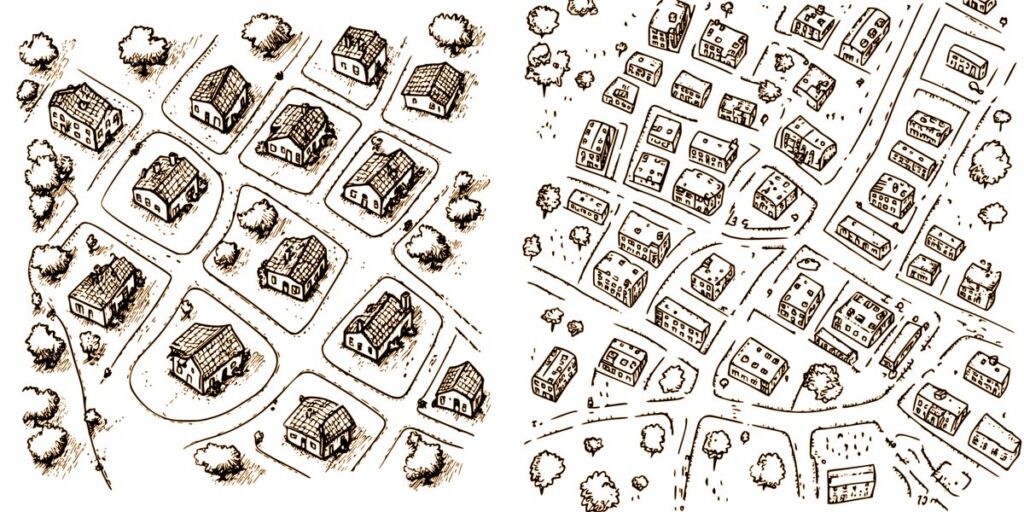
Nestled along the curves of the Great Miami River, just northwest of downtown Dayton, the Riverdale neighborhood is a treasure trove of local history and enduring community spirit. Generations of families have called these tree-lined streets home, watching the neighborhood change and thrive while always maintaining a sense of identity uniquely its own. If you stroll down Main Street or wander the blocks bounded by Salem Avenue, North Main Street, and the river itself, you’ll find more than just houses—you’ll find the living story of Dayton’s resilient heart.
The Origins of Riverdale
Riverdale’s roots reach far back, shaped both by the river’s meandering presence and Dayton’s explosive growth during the late 19th and early 20th centuries. While the land was originally part of sprawling farmlands and woodlots, it soon became a site of promise as Dayton expanded beyond its original downtown core. The area’s development was spurred by both river trade and the arrival of streetcar lines, which made access to downtown easy and attractive for workers and families.
The neighborhood gets its name from its most defining feature: proximity to the "river dale," or river valley, of the Great Miami River. In documents from the turn of the 20th century, the area was described as “the delightful Riverdale addition,” emphasizing both its natural beauty and its appeal as a new residential colony just outside the city’s busy heart.
Key Historical Milestones
Throughout its history, Riverdale has played a quiet but important role in Dayton’s evolution. Some of its most notable milestones include:
- Development Spurt (1890s–1920s): The Riverdale neighborhood began to fill out with homes, businesses, and religious institutions as Dayton’s population boomed.
- Great Flood of 1913: Like much of Dayton, Riverdale was deeply impacted by the catastrophic flood. Many homes were damaged, and the community came together to rebuild, forging a collective spirit that endures to this day.
- Post-War Growth (1940s–1960s): After World War II, Riverdale saw another surge of development, as returning veterans and their families sought the charm of this established neighborhood.
- Revitalization and Preservation: In recent decades, Riverdale residents have invested in both maintaining the character of historic homes and adapting the area for modern life, preserving the best of the past while looking toward the future.
Notable Landmarks and Buildings
As you wander through Riverdale, you’ll encounter relics of every era. Notable landmarks anchor the community’s past and offer a glimpse into the area’s enduring legacy.
*Our Lady of Mercy Church*
One of the cornerstones of the Riverdale neighborhood is Our Lady of Mercy Church, established in the early 20th century on Ardmore Avenue. For decades, this beautiful house of worship has been a focal point for community gatherings, celebrations, and moments of solace. Its distinctive architecture and welcoming parish serve as a visual reminder of the neighborhood’s spiritual and cultural roots.
*Riverdale Elementary School*
While the original Riverdale Elementary School along North Main Street no longer serves as an active Dayton Public Schools site, its legacy as an educational hub remains part of local lore. Generations of Riverdale children once walked its halls, and alumni still gather for reunions and community events.
*Classic Early 20th-Century Homes*
The streets of Riverdale—especially along Siebenthaler Avenue, Squirrel Road, and Broadway—are lined with stately American Foursquares, charming bungalows, and elegant Colonial Revivals. Many of these homes feature period details: leaded glass windows, broad front porches, and original hardwood floors that have been lovingly maintained or restored.
Parks and Public Spaces
Green spaces have always been important to Riverdale’s character. Triangle Park, just to the northeast, once hosted early-day football games (including the very first NFL game in 1920) and remains a haven for picnics, sports, and family gatherings. The nearby riverside bike paths offer sweeping views of the Miami River, inviting residents to enjoy the same natural beauty that first inspired the neighborhood’s name.
Businesses and Institutions
Over the decades, Riverdale has seen its share of beloved corner shops, mom-and-pop grocers, and neighborhood bakeries. While many early 20th-century storefronts have yielded to new development, echoes of Riverdale’s commercial heritage linger in existing buildings along North Main Street and nearby Salem Avenue. Today, these spaces often house small businesses, service organizations, and vibrant places of worship serving a diverse population.
Community Spirit: A Neighborhood That Adapts
One of Riverdale’s most enduring qualities is its ability to adapt while holding fast to its sense of community. Longtime residents recall block parties, volunteer clean-up days, and neighborhood watch meetings—traditions that continue to knit neighbors together even as demographics shift over time.
What truly makes Riverdale special is its spirit of shared history and hope. Whether you’re a newcomer renting a cozy bungalow or a family with roots stretching back generations, there’s a place for you here—among the leafy avenues, the laughter from nearby parks, and the gentle rush of the Miami River on a summer evening.
The Future of Riverdale
Today, Riverdale stands as a testament to Dayton’s resilience and capacity for renewal. Preservation efforts led by local historical societies, ongoing revitalization projects, and a renewed focus on community engagement suggest that the neighborhood’s best days may yet be ahead. For all who call it home, Riverdale is more than just a spot on the map—it's a living neighborhood, rich in history, bound by heritage, and ready to write its next chapter.
As you pass through Riverdale’s welcoming streets, whether on your way to a Sunday service, a stroll down Broadway, or a family picnic at Triangle Park, take a moment to reflect on the many stories that have shaped this Dayton gem. The river flows on—but the roots of Riverdale run deep.